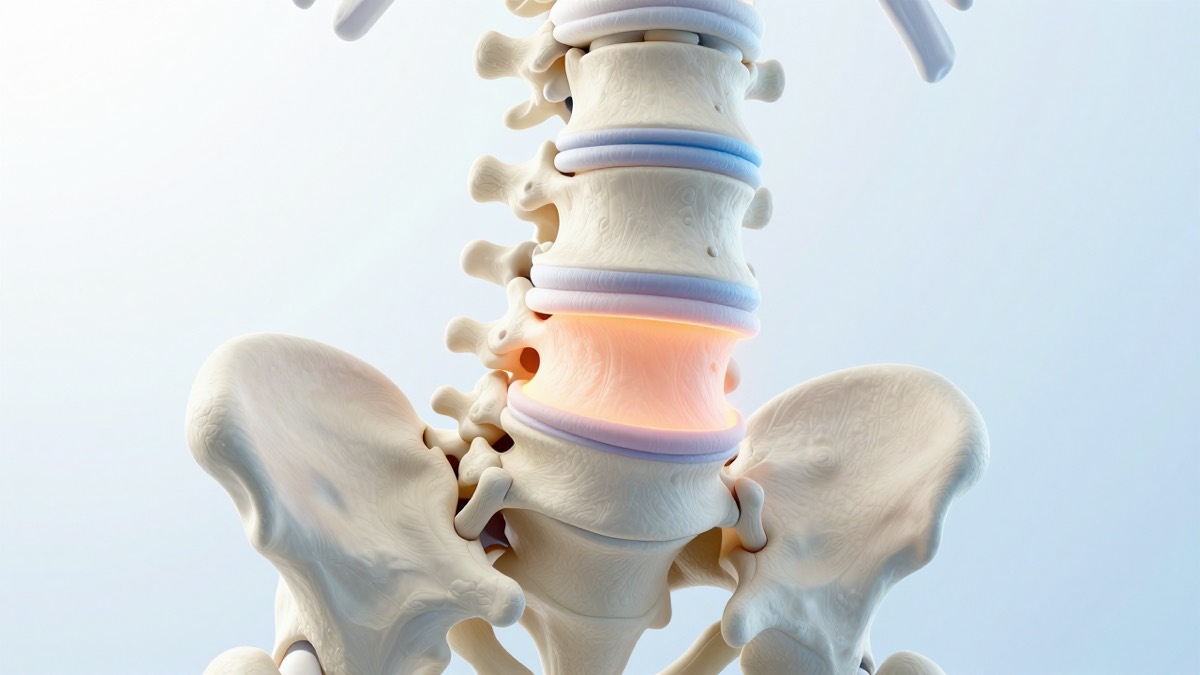
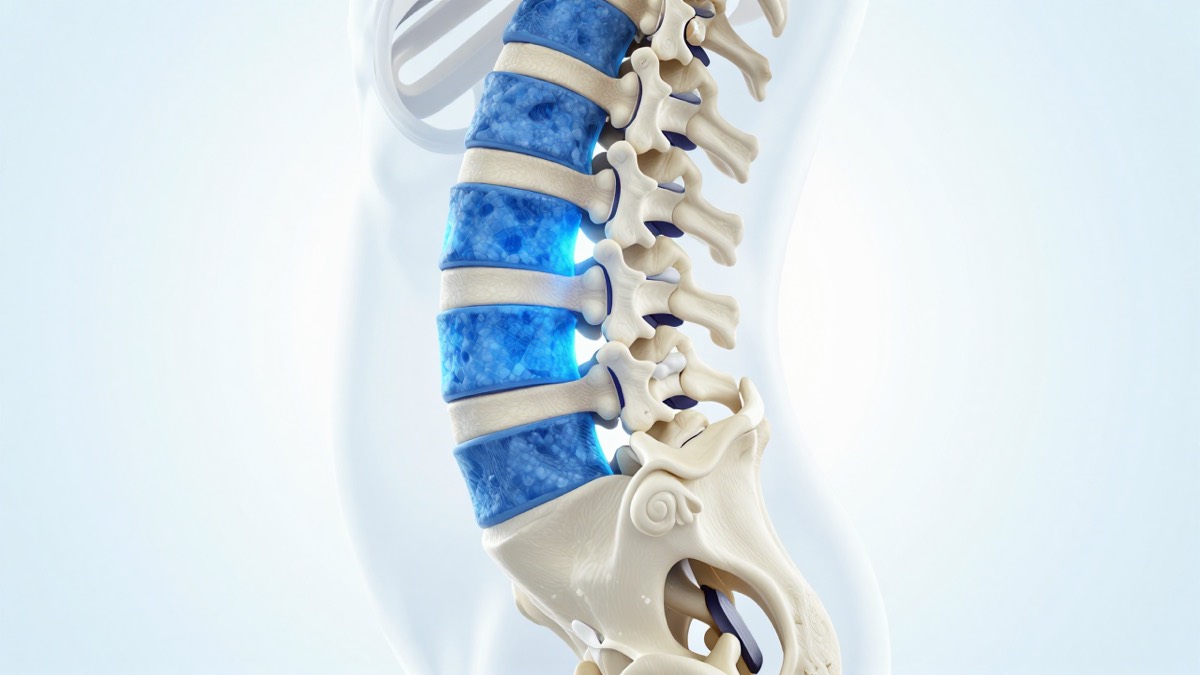
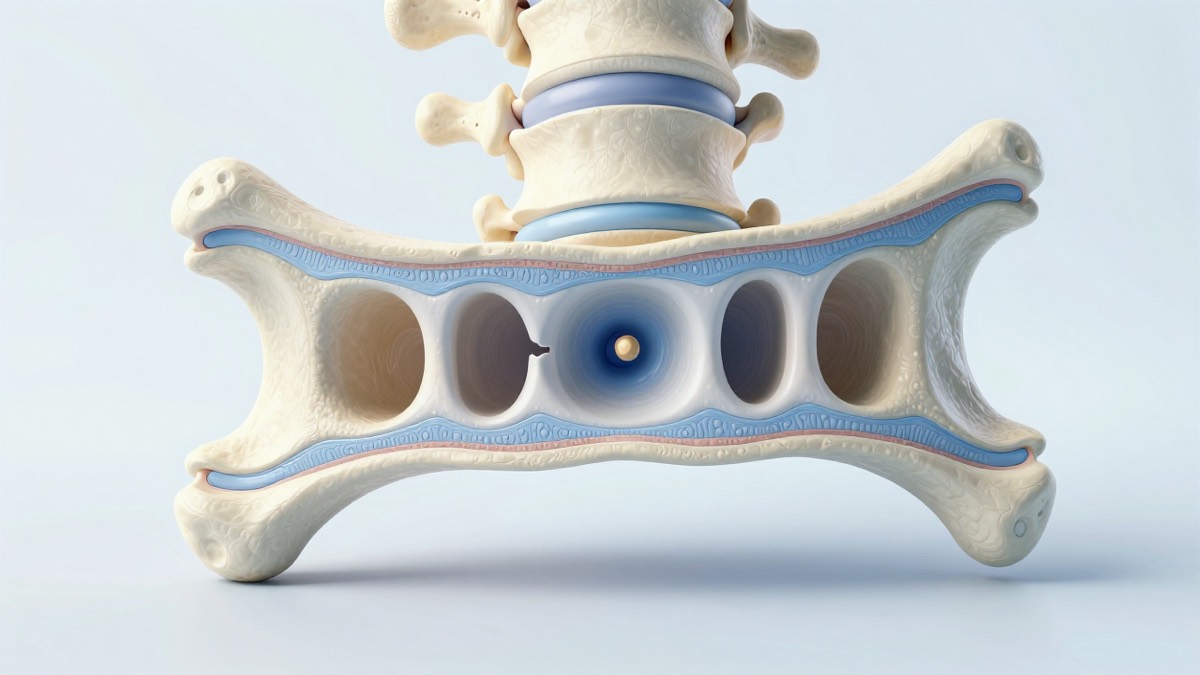
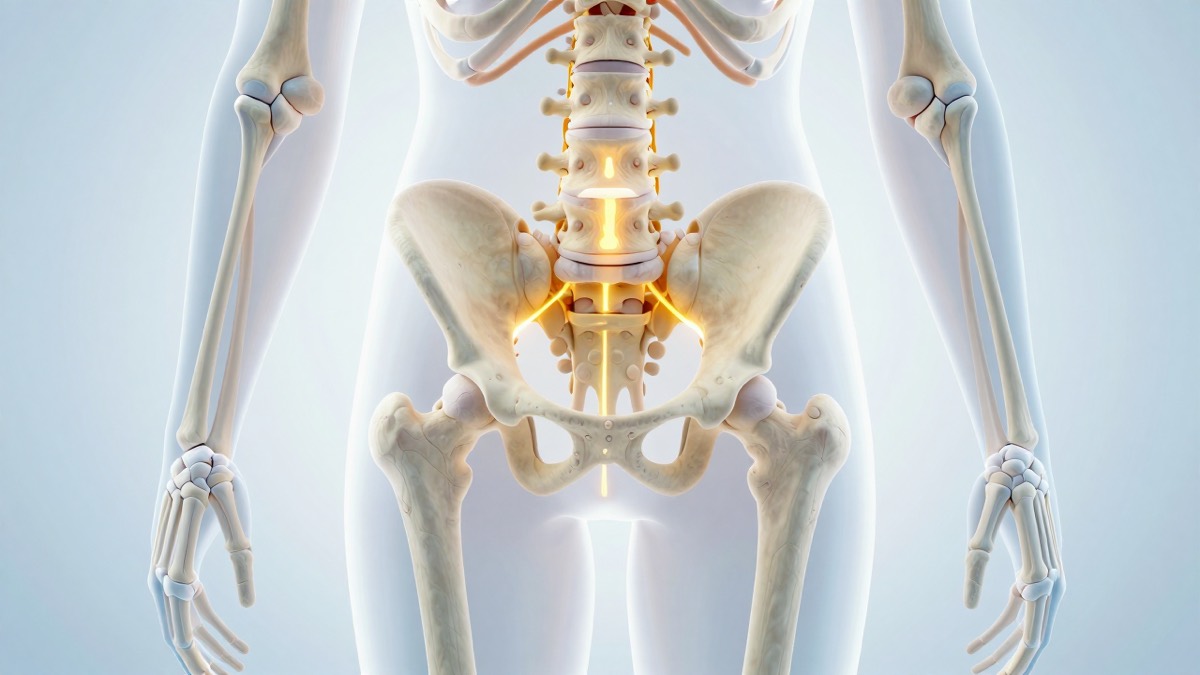
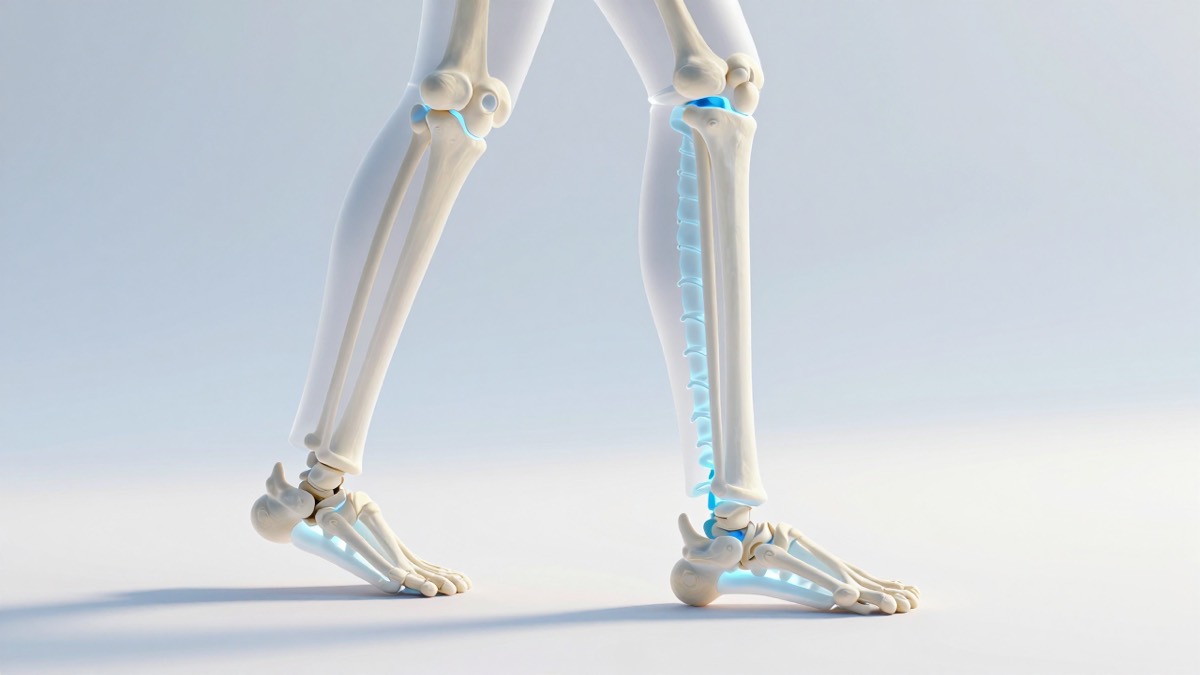
Lumbar spinal stenosis is a narrowing of the spinal canal that squeezes the nerves, typically causing leg pain or heaviness when walking that eases when sitting or bending forward. A trial in Annals of Internal Medicine (Delitto, 2015) found surgery and physical therapy gave similar results at two years for many patients.
Spinal stenosis treatment
- Physical therapy focusing on flexion-based exercise and walking
- Cycling (often easier than walking)
- Pain relief
- Epidural steroid injections for some patients
- Regenerative injections (stem cells, PRP): a minimally invasive option for related disc or joint pain
Back or leg pain for more than 6 weeks? Get the free guide and a doctor review of your scan.
Spinal stenosis surgery
Decompression (laminectomy) can help when symptoms are severe, walking distance keeps shrinking, or there is nerve weakness. Fusion is added only when the spine is unstable. See fusion alternatives.
Symptoms of spinal stenosis
- Aching, heaviness or tingling in the buttocks and legs when standing or walking
- Relief when sitting or leaning forward, as on a shopping trolley
- Walking distance gradually shrinking
- Back stiffness, especially in the morning
Why the canal narrows
With age, discs flatten and bulge, facet joints enlarge and ligaments thicken. Together they reduce the space for the nerves. Stenosis is most common after 60.
Back or leg pain for more than 6 weeks? Get the free guide and a doctor review of your scan.
Treatment options in order
- Stem cell or PRP injections for painful discs and facet joints, a minimally invasive way to calm inflammation
- Flexion-based exercise and walking programmes; cycling is often easier than walking
- Epidural injections for leg symptoms
- Decompression surgery if walking keeps getting worse or weakness develops
Living with stenosis
- Walk in short bouts and rest when needed; distance often improves with regular practice
- Use a walking aid or trolley to lean forward slightly
- Strengthen hips and core
- Keep a healthy weight
Common questions
Will stenosis get worse? It often stays stable for years; many people never need surgery.
Can stenosis be treated without surgery? Yes, most people manage with exercise and injections.