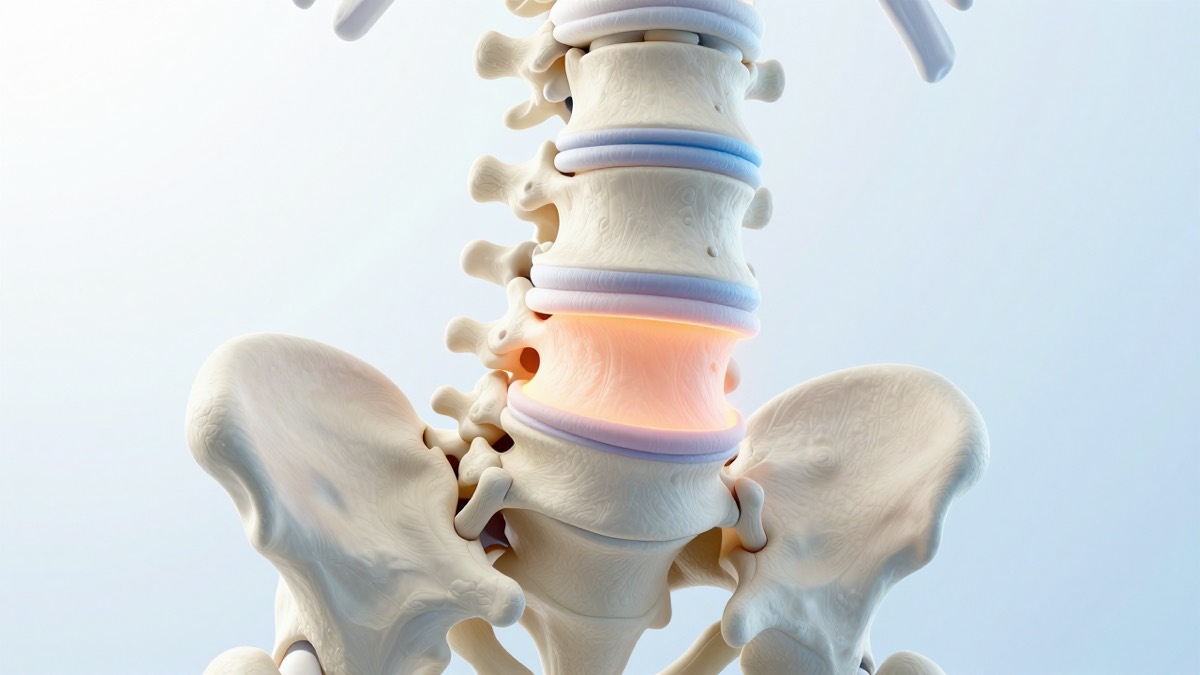
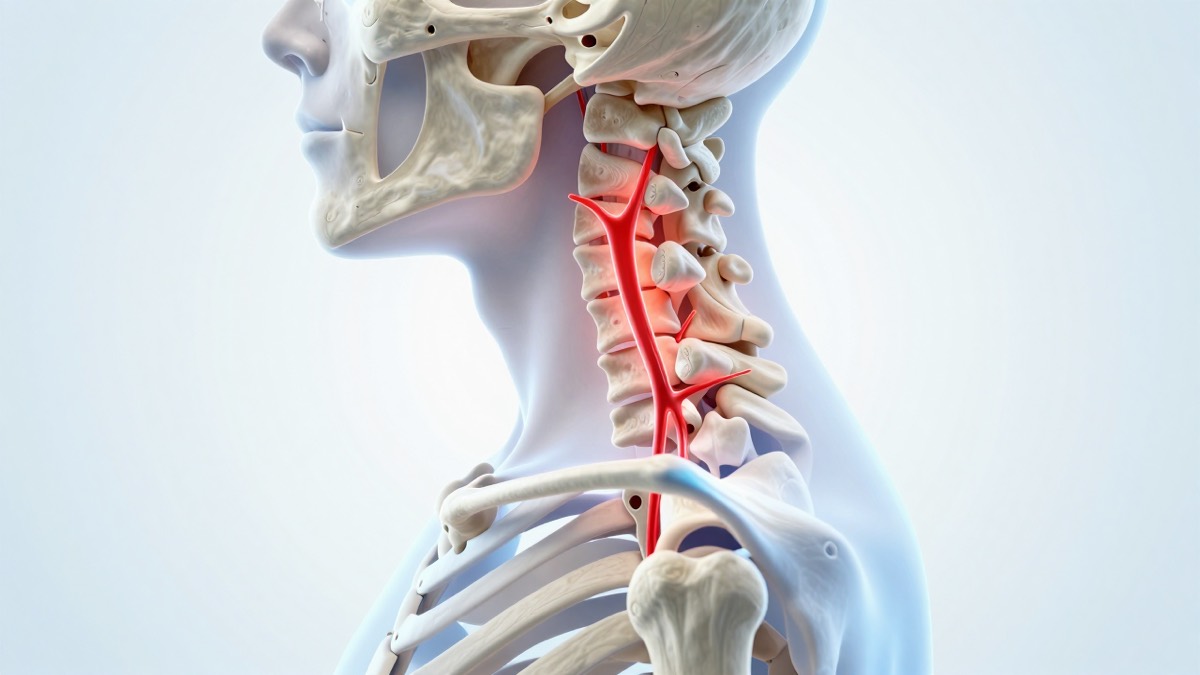
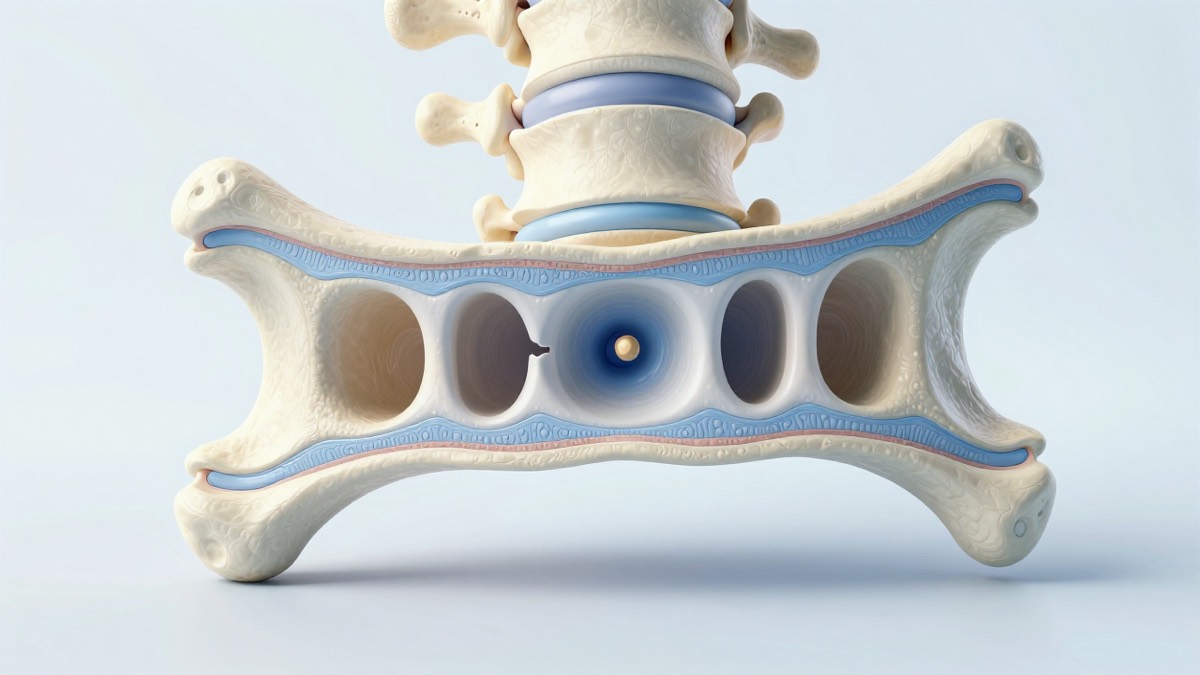
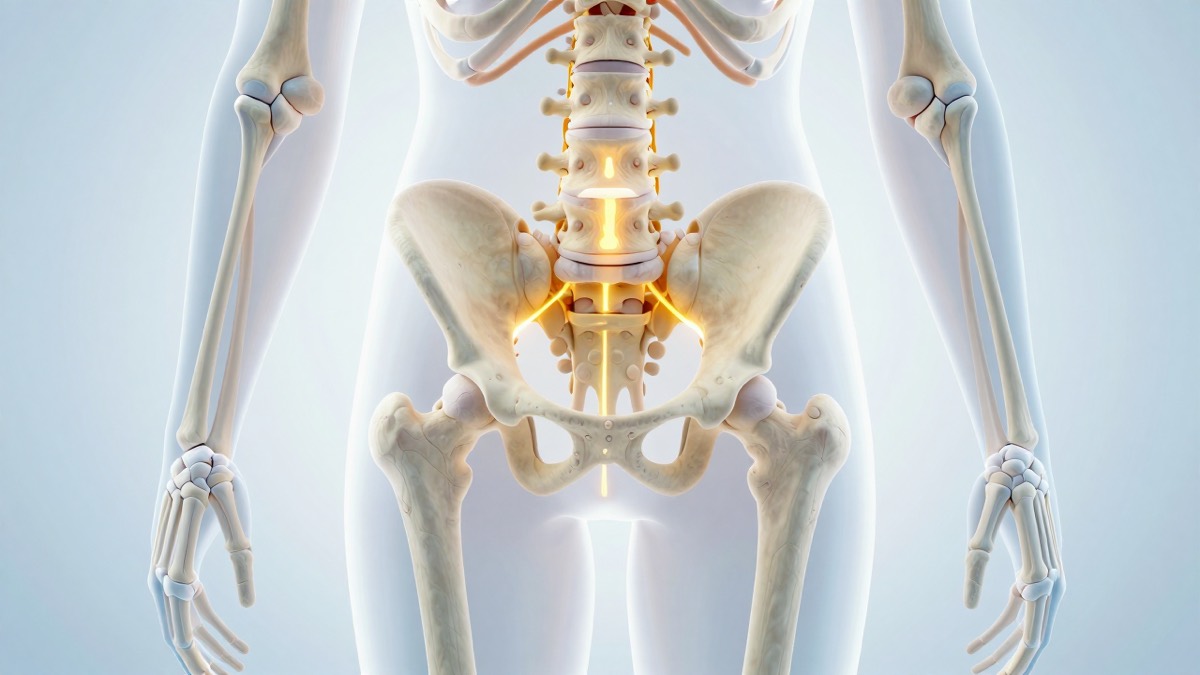
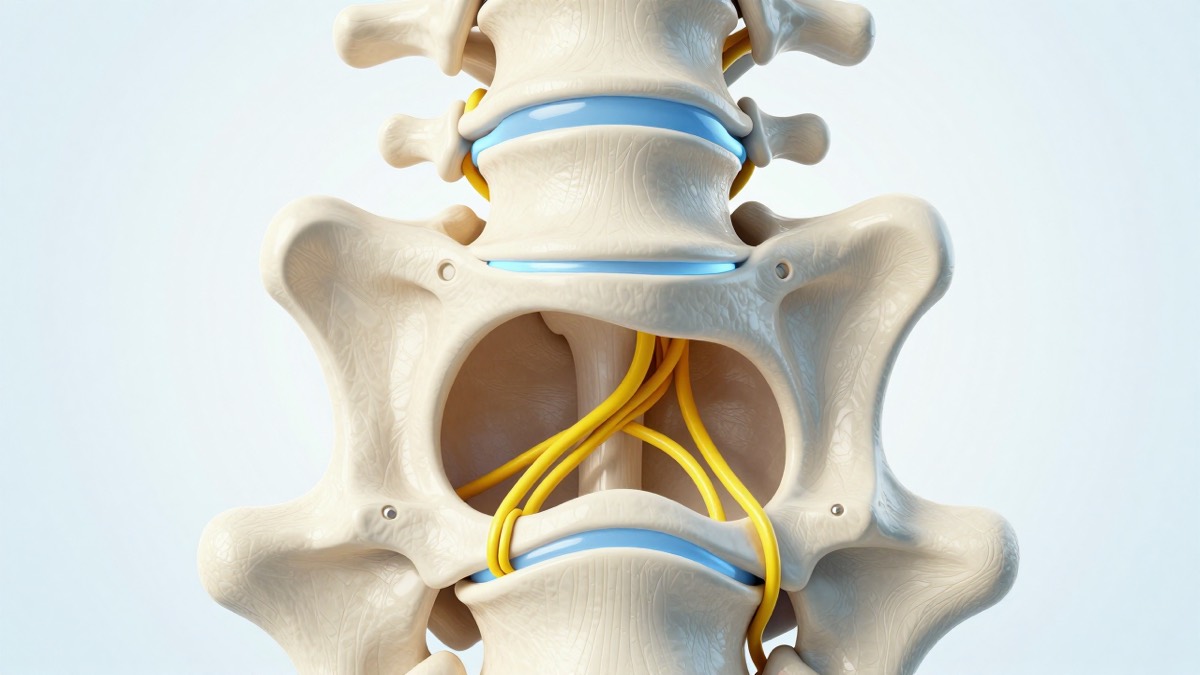
Degenerative disc disease is not really a disease: it describes discs that have dried and thinned with age. Disc changes are common on MRI in people without pain. When a worn disc does cause pain, treatment is mostly non-surgical.
Treatment
- Exercise and core strength
- Weight management
- Combined physical and psychological programmes for long-term pain
- Injections for flare-ups
- Stem cell injections have been studied specifically for degenerative disc pain in small trials
Back or leg pain for more than 6 weeks? Get the free guide and a doctor review of your scan.
Surgery
Fusion or disc replacement is reserved for selected cases; NICE advises against fusion for low back pain outside trials. See fusion alternatives.
Symptoms
- Low back or neck pain that flares and settles
- Pain worse with sitting, bending or lifting
- Relief when walking or changing position
- Sometimes pain into the buttocks or thighs
Why discs degenerate
Discs lose water and cells with age, and the outer ring develops small tears. Genetics, smoking, heavy manual work and previous injuries all play a role.
Back or leg pain for more than 6 weeks? Get the free guide and a doctor review of your scan.
Treatment options
| Option | What to know |
|---|---|
| Stem cell injectionRecommended | The most studied regenerative option for degenerative disc pain; minimally invasive |
| PRP | Growth factors from your blood |
| Exercise and core strength | Supports every treatment |
| Weight management, stopping smoking | Slows further wear |
| Fusion or disc replacement | Major surgery, reserved for selected cases |
Why stem cells fit degenerative discs
Degenerative discs lose healthy cells and become inflamed. Stem cells release signals that calm inflammation and support the remaining disc cells, which is why disc degeneration is where most clinical trials have focused, including the Spanish and Iranian trials summarised on our stem cell page.
Common questions
Is degenerative disc disease permanent? Disc wear does not fully reverse, but pain and function can improve a lot.
Will it lead to surgery? Most people never need surgery.