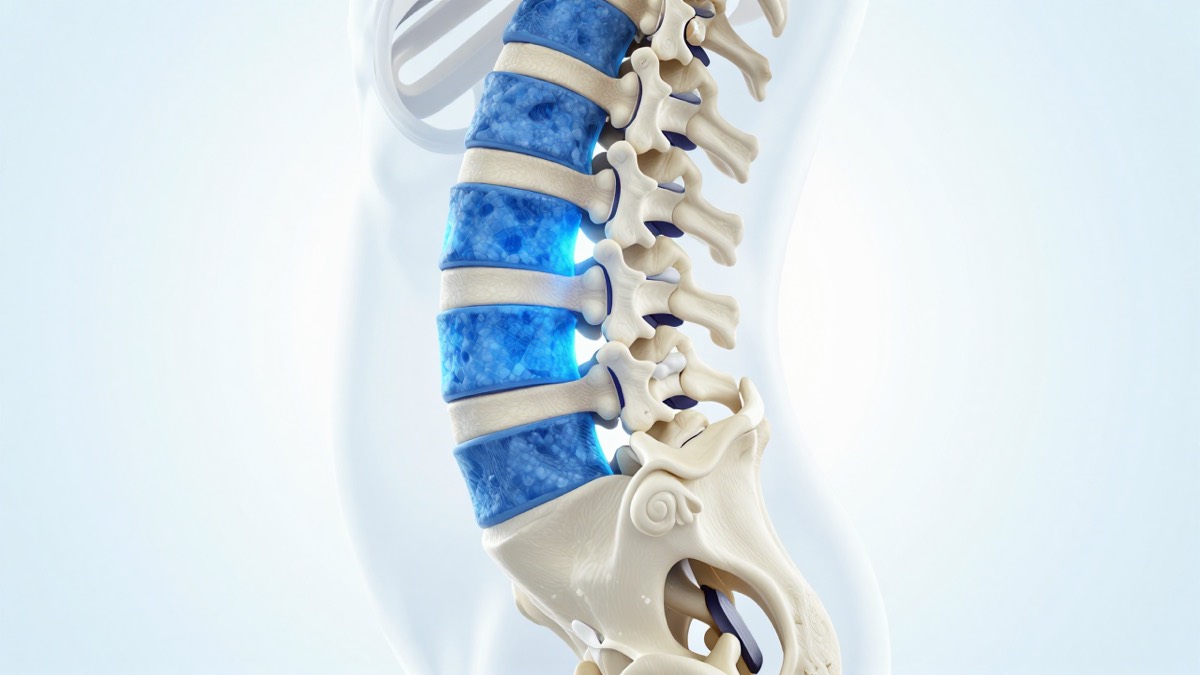
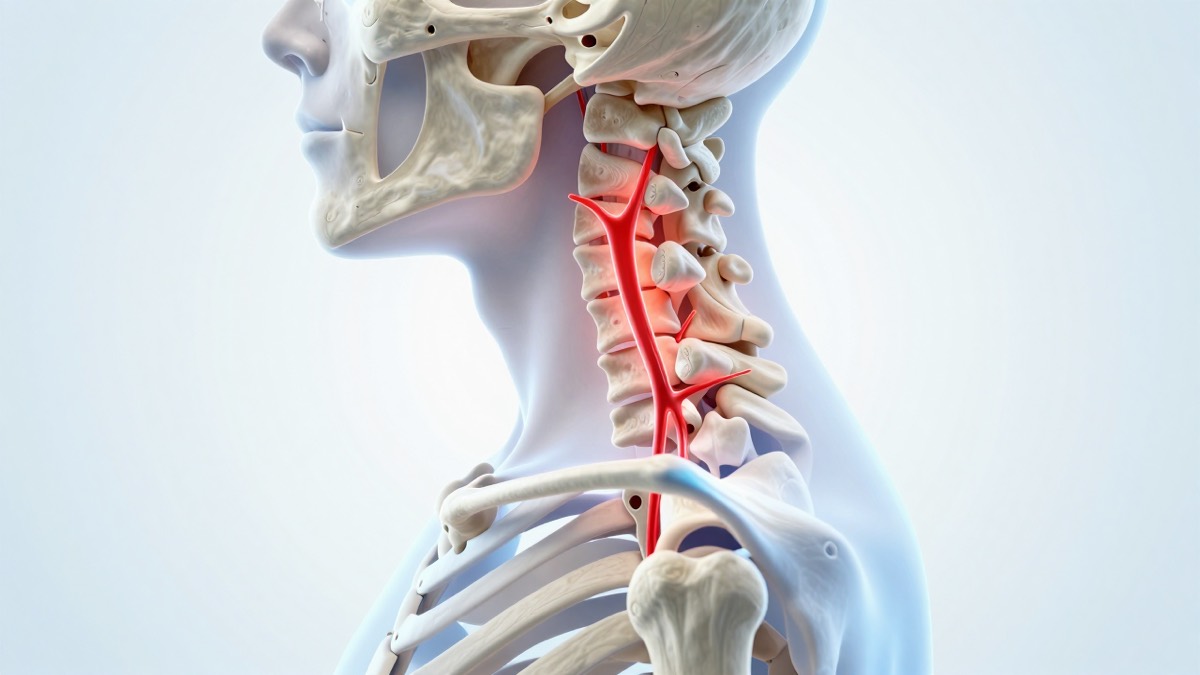
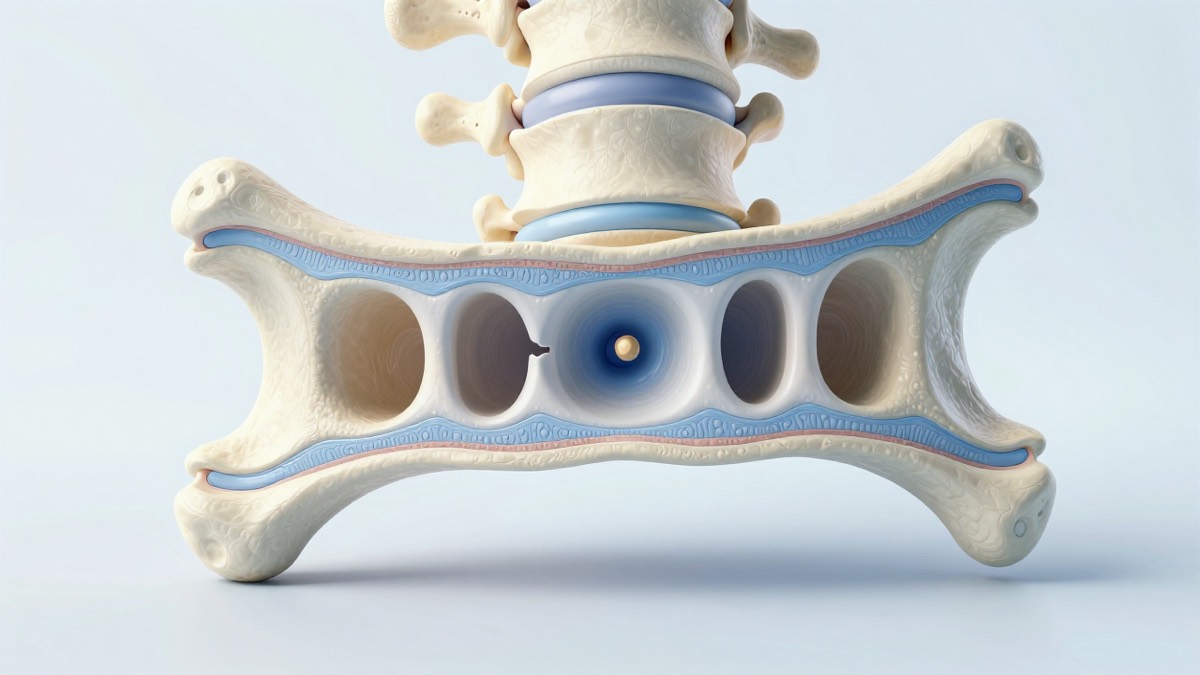
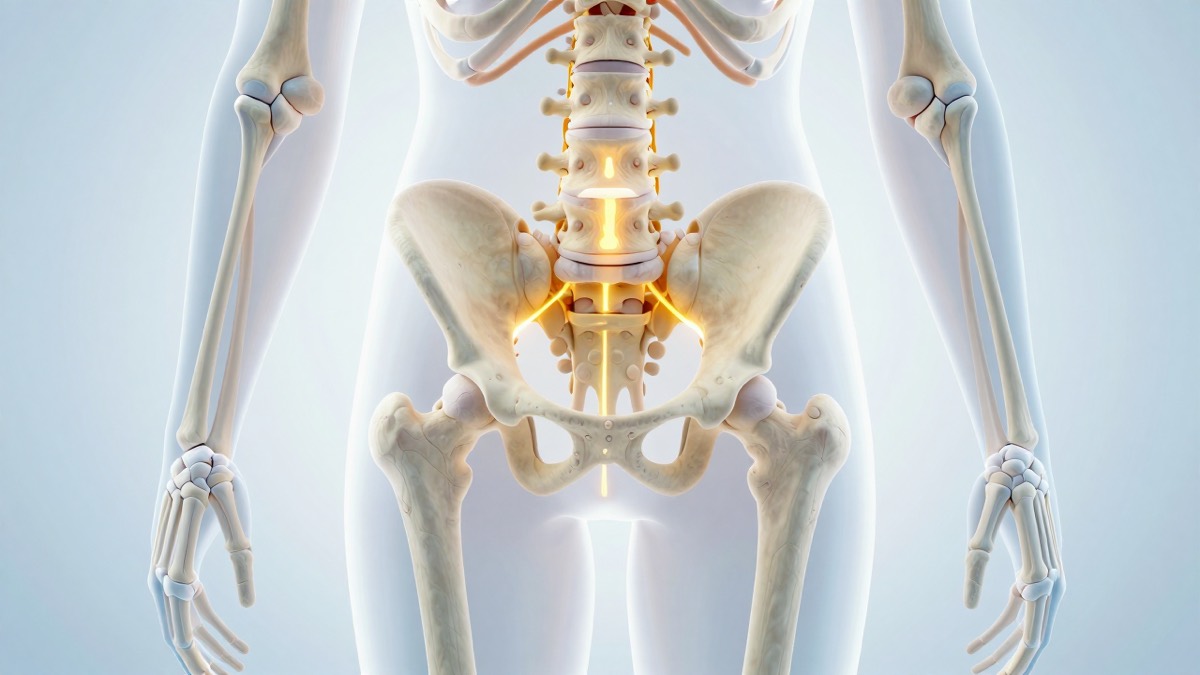
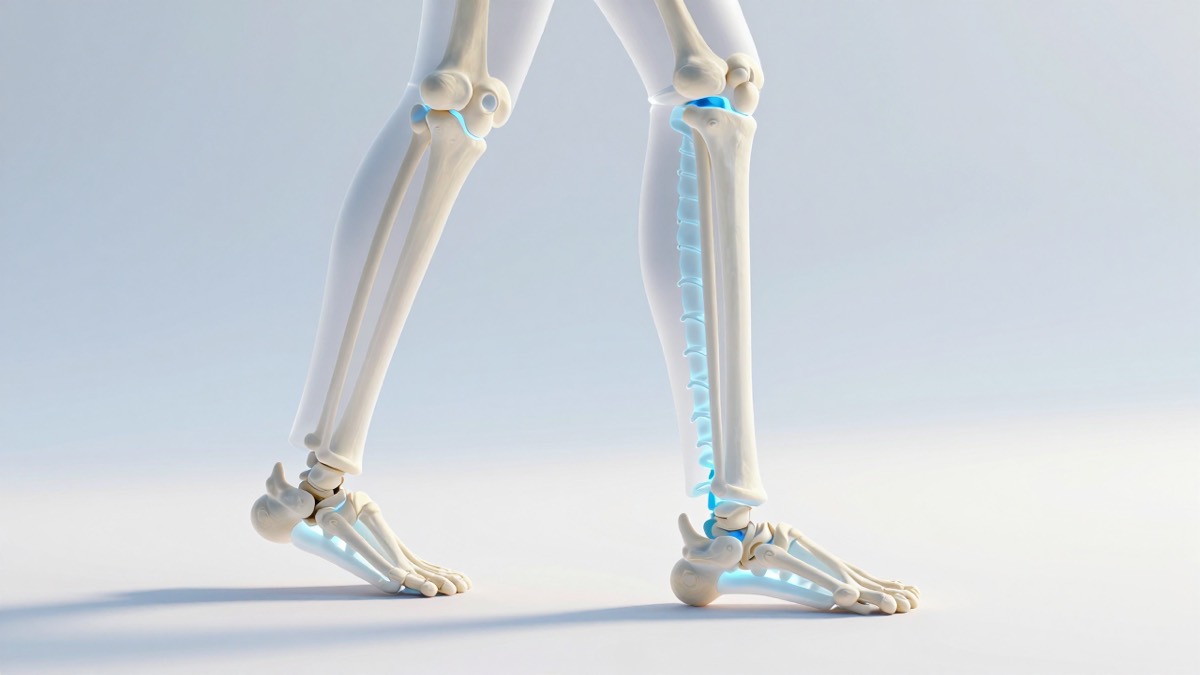
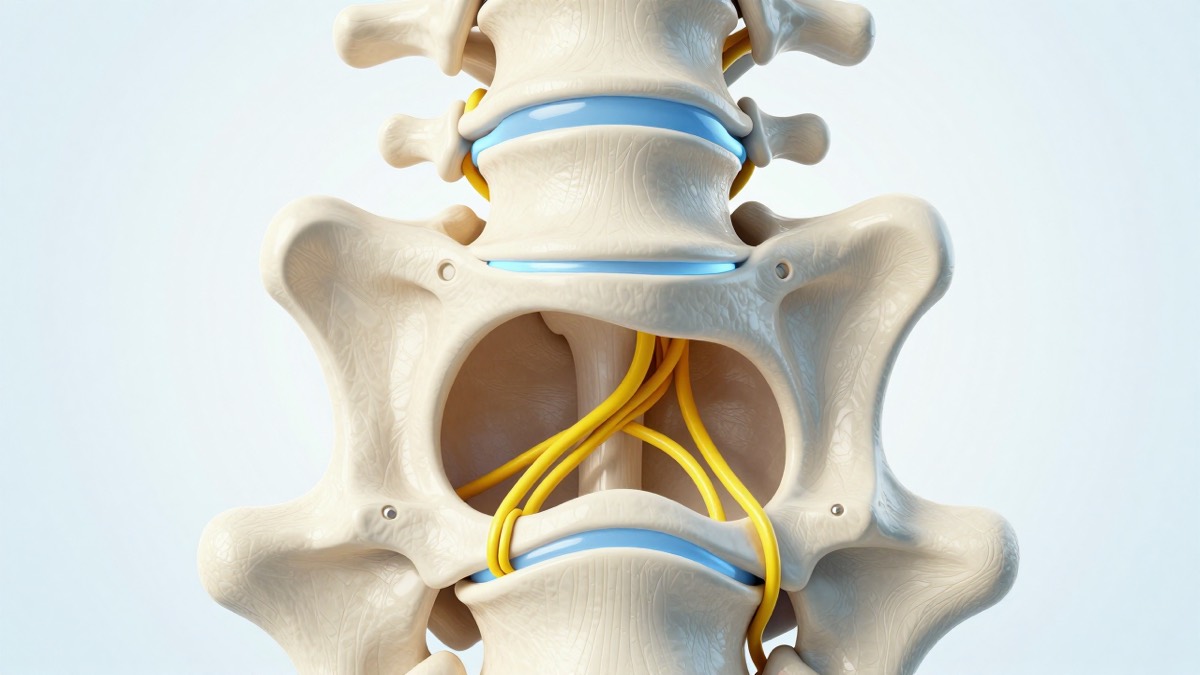
A bulging disc spreads slightly beyond its normal edge, usually evenly. Bulges are very common on MRI, even in people with no pain. Treatment depends on whether the bulge matches your symptoms; most cases are treated without surgery.
Bulging vs herniated disc
| Bulging disc | Herniated disc | |
|---|---|---|
| What happens | Outer ring sags outward | Inner core breaks through the ring |
| On MRI | Very common, often painless | Less common |
| Nerve pain | Sometimes | More often |
Back or leg pain for more than 6 weeks? Get the free guide and a doctor review of your scan.
Bulging disc treatment
- Physiotherapy and core strength
- Staying active, avoiding long sitting
- Pain relief and heat
- Injections if nerve pain persists
- Bulging disc surgery is rarely needed and is usually considered only with clear nerve compression
Should you worry about a bulge on your MRI report?
Not by itself. What matters is whether it matches your symptoms. A doctor can explain your report: free MRI review.
Bulging disc symptoms
Many bulges cause no symptoms. When they do, typical complaints are:
- Low back or neck ache, often worse after sitting
- Leg or arm pain if a nerve is irritated
- Stiffness in the morning or after long drives
- Pain that eases with walking and changing position
Back or leg pain for more than 6 weeks? Get the free guide and a doctor review of your scan.
Common causes
Bulges develop as discs lose water and height with age. Long hours of sitting, repetitive bending, heavy lifting, smoking and extra body weight speed this up. Most people over 40 have at least one bulge on MRI.
Treatment ladder for a painful bulge
- Stay active and break up sitting every 30 minutes
- Core, hip and back strengthening with a physiotherapist
- Pain relief and heat for flare-ups
- Stem cell injection if pain persists: a minimally invasive option to calm inflammation and support the disc
- PRP or an epidural as alternatives
- Surgery only in rare cases with clear nerve compression
Reading your MRI report
| Term | Meaning |
|---|---|
| Disc bulge | Disc extends evenly beyond its normal edge |
| Protrusion | A focal bulge, still contained |
| Extrusion | Disc material has broken through the outer ring |
| Annular tear or fissure | A tear in the outer ring, often painful |
| Desiccation | The disc has lost water, a sign of wear |
Common questions
Can a bulging disc heal? Symptoms often settle, and regenerative treatment aims to support the disc itself.
Is a bulging disc serious? Usually not, unless it presses on nerves causing weakness or bladder changes.