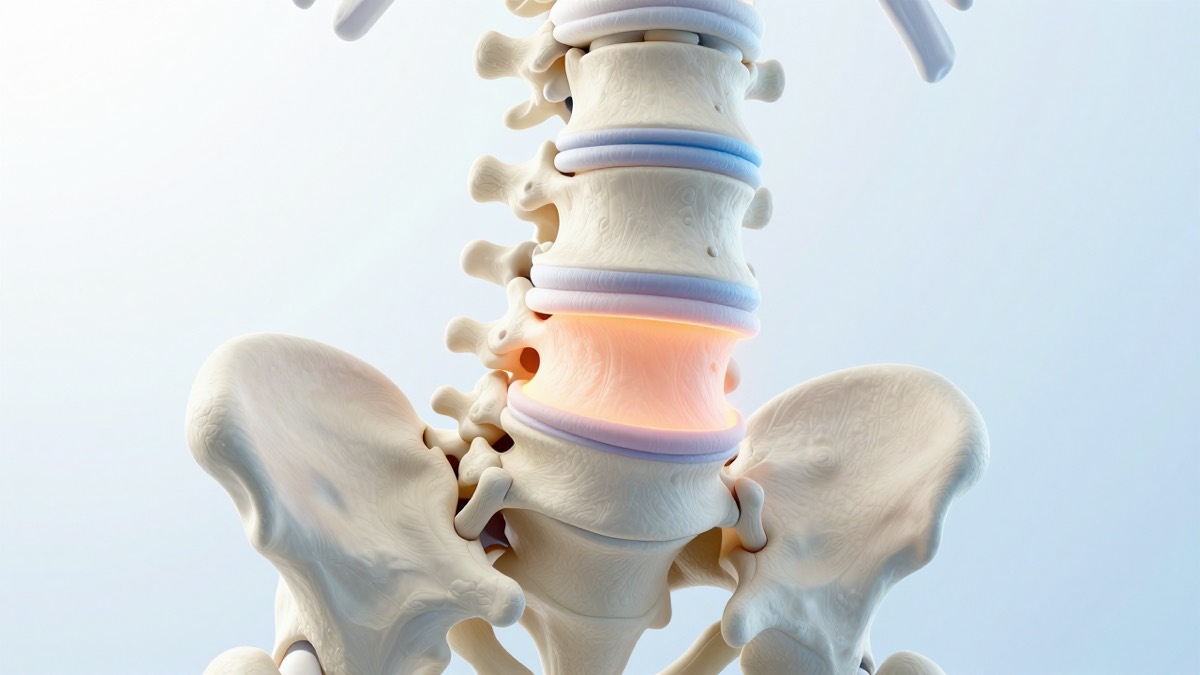
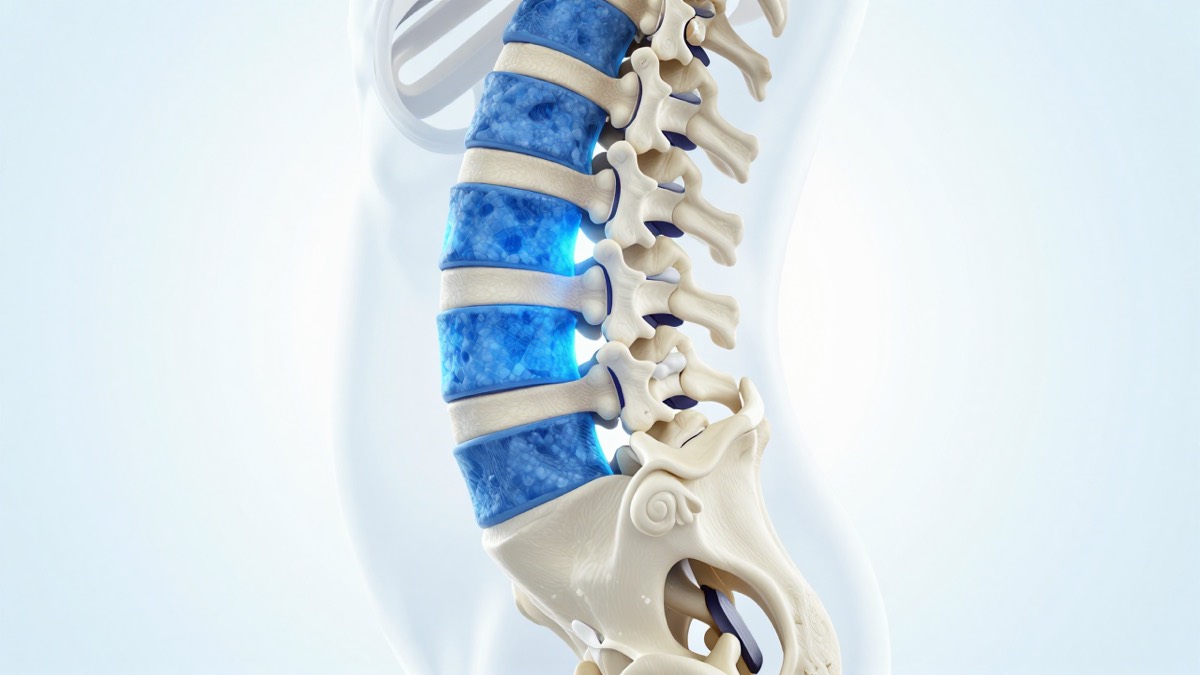
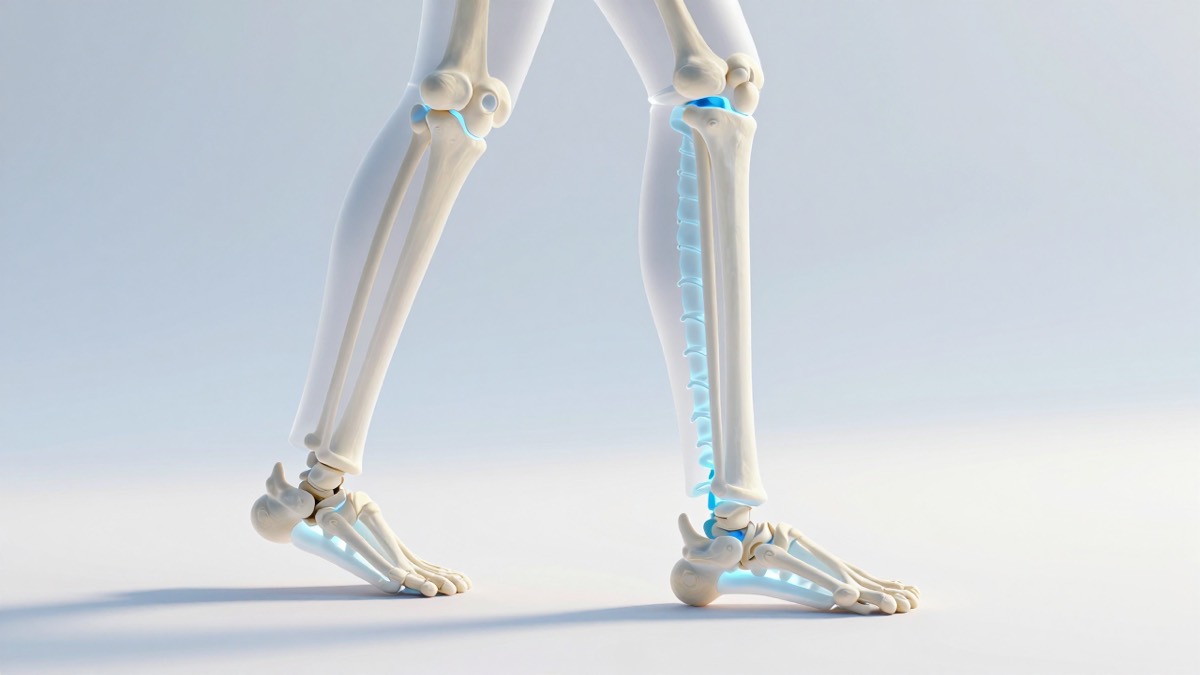
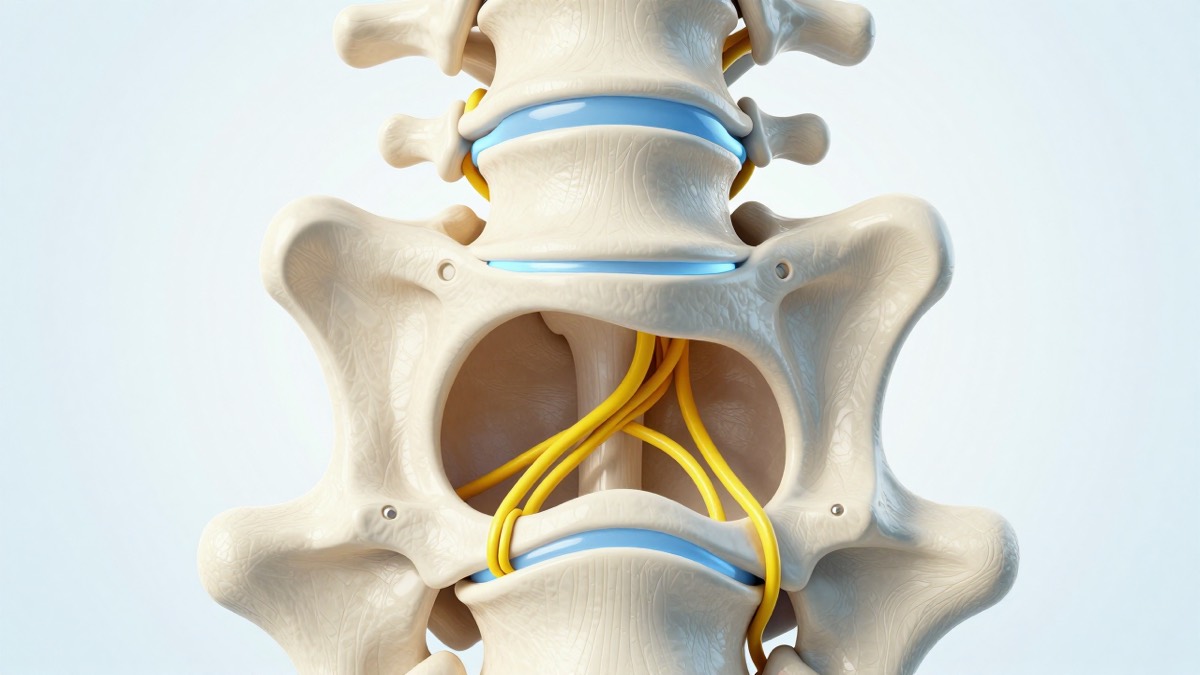
A ruptured disc is another name for a herniated disc, where the soft centre breaks through the outer ring. It can cause sudden back and leg pain. Despite the dramatic name, most ruptured discs are treated without surgery, and ruptured material is often reabsorbed by the body over time.
Symptoms
- Sharp back pain, often after lifting or twisting
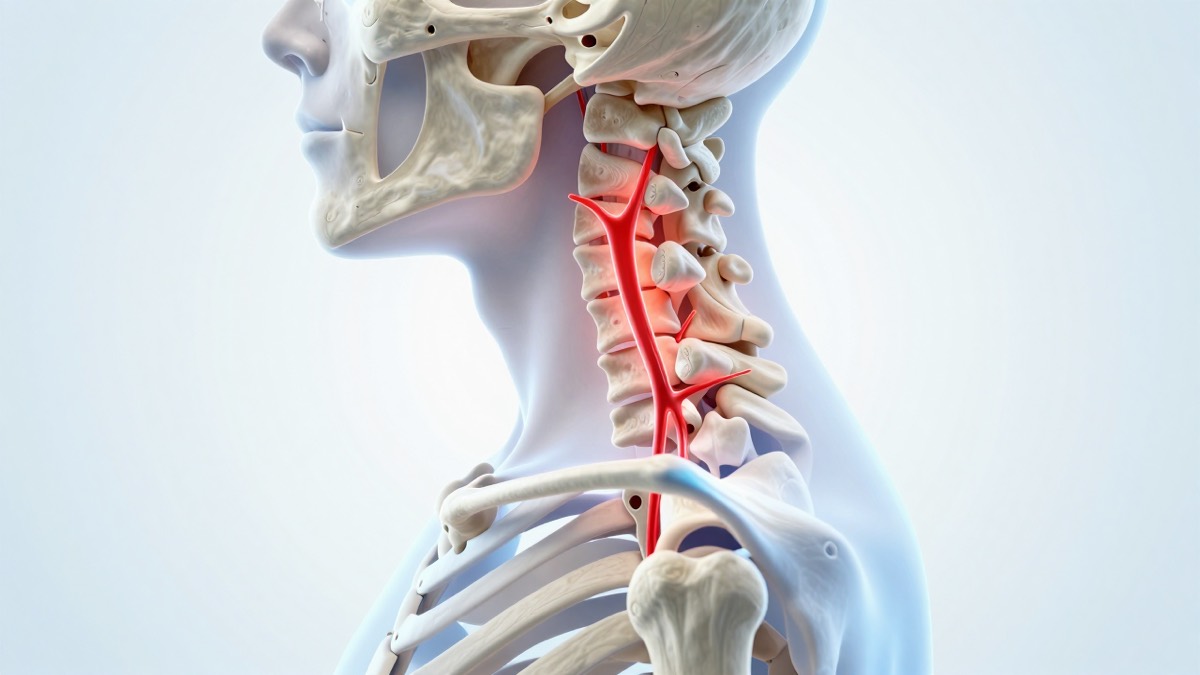
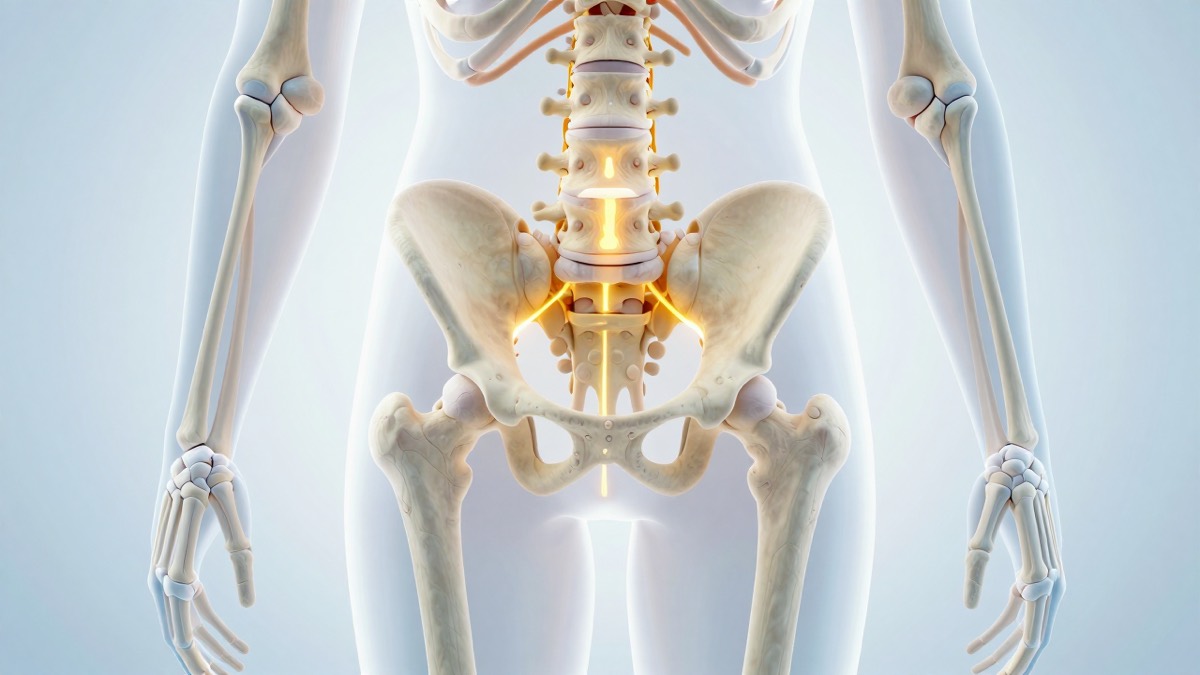
- Pain, numbness or tingling down one leg (sciatica) or arm
- Pain worse when sitting, coughing or sneezing
Back or leg pain for more than 6 weeks? Get the free guide and a doctor review of your scan.
Ruptured disc treatment
- Movement and physiotherapy
- Pain relief
- Epidural steroid injection for severe leg pain
- Ruptured disc surgery (usually microdiscectomy) if red flags appear or pain does not settle
Large ruptures are not always worse: some studies suggest larger fragments are more likely to shrink on their own.
Ruptured disc vs bulging disc
A bulge stays inside the outer ring; a rupture means disc material has broken through it. Ruptures are more likely to irritate a nerve, but they also trigger the body's clean-up response, which is why many shrink over time.
Risk factors
Heavy lifting with a twist, a fall, repetitive bending, smoking, being overweight and long hours of driving.
Back or leg pain for more than 6 weeks? Get the free guide and a doctor review of your scan.
Treatment options in order
- Stem cell injection: minimally invasive, calms inflammation and supports the disc
- Movement, walking and physiotherapy
- Pain relief and heat
- Epidural injection for severe leg pain
- Microdiscectomy for red flags or pain that does not settle
How long recovery takes
Many people improve within 6 to 12 weeks. Severe nerve pain at the start does not mean you will need surgery.
Warning signs
Saddle numbness, bladder or bowel changes, or weakness in both legs: go to an emergency department.
Common questions
Can a ruptured disc heal without surgery? Often, yes.
Should I avoid all exercise? No. Gentle walking and guided exercise help.