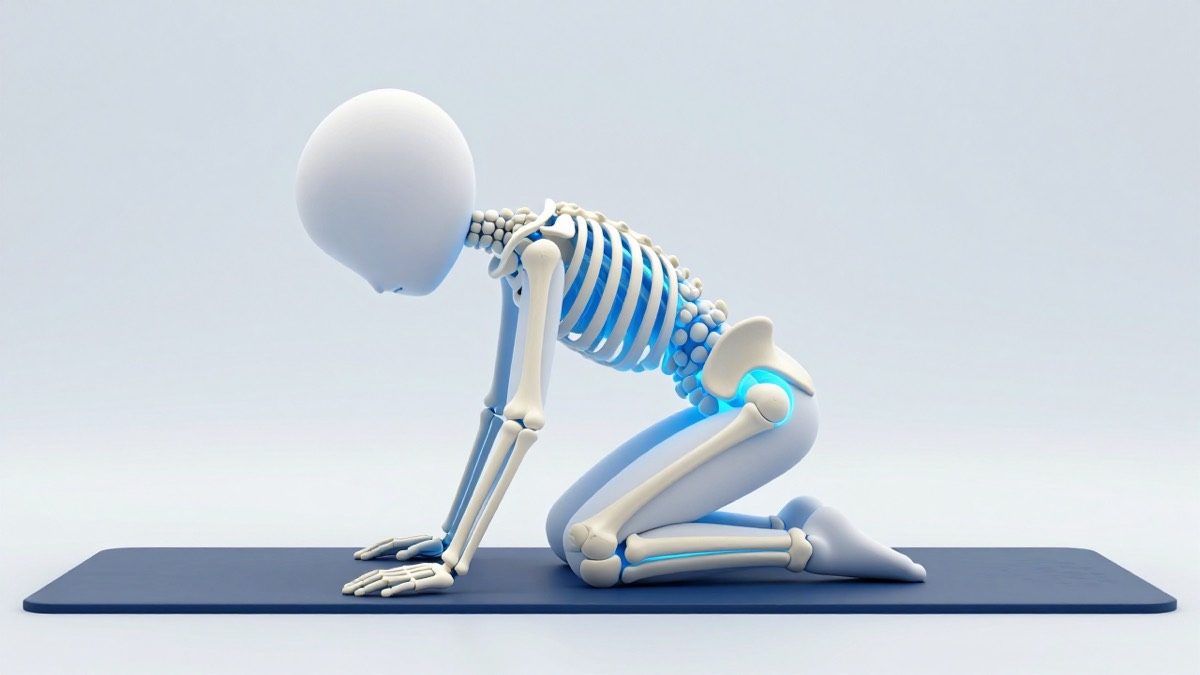
Physiotherapy is the first-line treatment for most herniated discs and sciatica. A physiotherapist builds a plan to calm nerve pain, restore movement and strength, and help you return to work and activity.
What it includes
- Specific exercises (for example, extension-based or flexion-based, depending on your pattern)
- Core and hip strength
- Advice on sitting, lifting and pacing
- Graded return to activity
Back or leg pain for more than 6 weeks? Get the free guide and a doctor review of your scan.
How long until it works
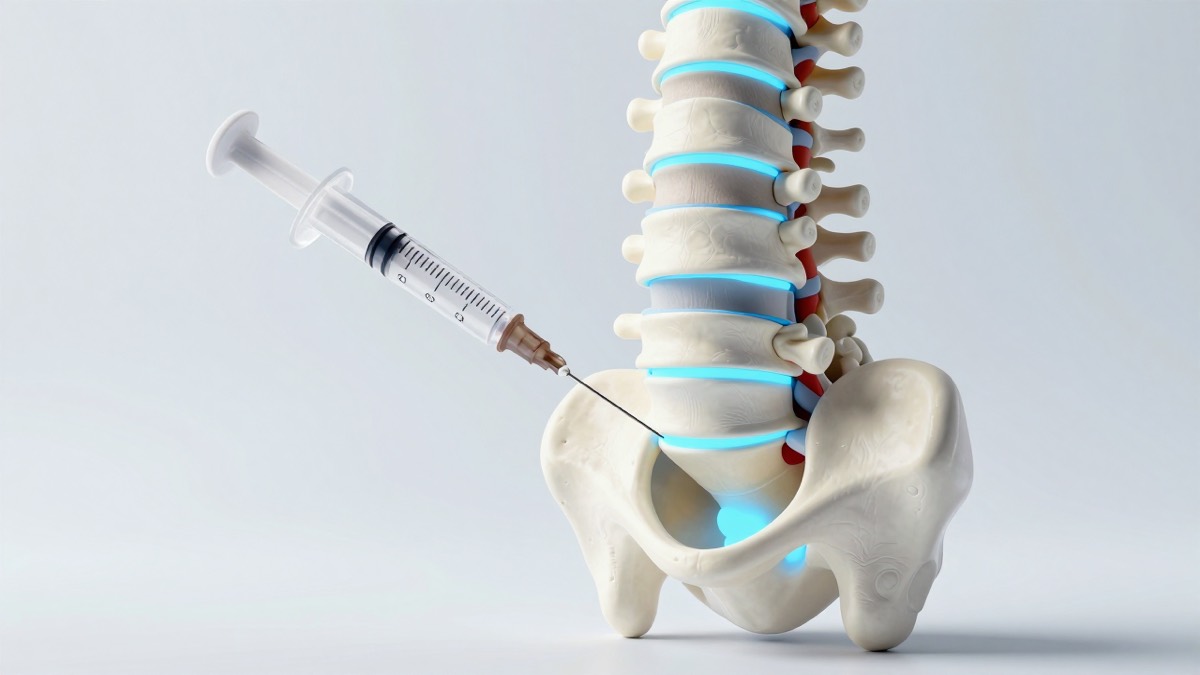
Most people notice change within 4 to 8 weeks. If pain is not improving after about 12 weeks, ask about imaging and other options such as injections or regenerative treatment.
A typical physiotherapy course
| Stage | Goals |
|---|---|
| Weeks 1 to 2 | Calm pain, find comfortable positions, start walking |
| Weeks 2 to 6 | Restore movement, core and hip strength |
| Weeks 6 to 12 | Build load: lifting technique, endurance, return to work or sport |
What good physiotherapy looks like
- An individual exercise plan, not a generic sheet
- Clear progress measures, such as walking distance and pain score
- Advice you can use at work and home
- Honest discussion of other options if progress stalls
Back or leg pain for more than 6 weeks? Get the free guide and a doctor review of your scan.
Physiotherapy and stem cells together
Physiotherapy and stem cell treatment work best together: the injection aims to calm the disc and support repair, and rehab rebuilds strength and movement around it. Most treatment plans include a home exercise programme for the weeks after the injection.
Common questions
How many sessions will I need? Often 4 to 8 over 6 to 12 weeks, plus home exercise.
Is pain during exercise normal? Mild discomfort is fine; pain spreading down the leg is a sign to back off.